
As an Amazon Associate I earn from qualifying purchases. This guide is based on manufacturer specifications and published information, not hands-on testing. Running costs use the Ofgem price cap average electricity rate of 26.32p per kWh (1 October to 31 December 2026, Direct Debit).
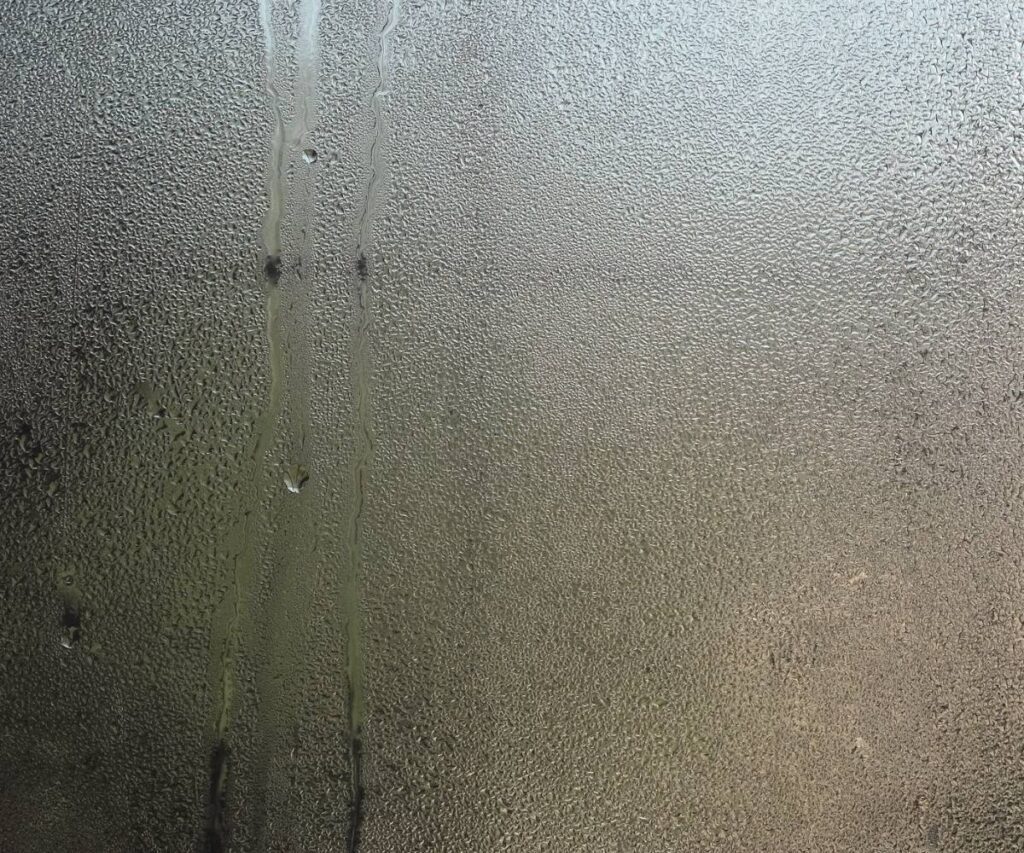
A good dehumidifier is one of the most useful things you can buy for a damp UK home. It pulls water out of the air, which helps stop condensation on windows, reduces the conditions mould needs, and dries washing indoors far faster than leaving it on a rack. This guide explains what actually matters when you choose one, then looks at three well-known models that suit different homes.
Quick picks
| Model | Type | Best for | Power | Cost per hour* |
|---|---|---|---|---|
| MeacoDry Arete One 10L | Compressor | Flats and smaller homes | 163W | 4.3p |
| MeacoDry Arete One 20L | Compressor | Larger homes and heavy laundry use | 216W | 5.7p |
| Meaco DD8L Zambezi | Desiccant | Cold rooms, garages and unheated spaces | 351W | 9.2p |
*Based on the stated power figure running for one hour at 26.32p per kWh. Real costs are usually lower, because a dehumidifier with a humidistat switches its compressor or heater off once the room reaches the humidity you set.
What to look for
1. Compressor or desiccant
This is the biggest decision. Compressor dehumidifiers cool air over a cold coil so water condenses out, a bit like a fridge. They use less electricity and work best in rooms that are heated to normal living temperatures. Desiccant models pass air over a moisture-absorbing material that is then dried with a small heater. They use more power but keep working well in cold rooms, and they give off a little warmth. Our compressor vs desiccant explainer goes into this in more detail.
2. Extraction rate (and the conditions behind it)
Dehumidifiers are sold as 10L, 12L, 20L and so on. That figure is the most water the machine can remove in 24 hours, but it is usually measured in warm, very humid test conditions (often 30°C and 80% humidity). In a typical UK living room at around 20°C the real figure will be lower. Use it to compare models with each other, not as a promise of how much water you will collect.
3. Laundry mode and a humidistat
A built-in humidistat lets you set a target, such as 50 to 55% humidity, and the machine works only as hard as it needs to. A laundry mode runs it at full power to dry clothes quickly. Both are worth having if you dry washing indoors.
4. Tank size and drainage
Small tanks fill quickly in damp weather. If you plan to run it for long periods, check whether it has a continuous drainage outlet so you can run a hose to a sink or drain.
5. Noise
If it will sit in a bedroom, look for a low decibel rating on its quietest setting. Around 35 to 40dB is comparable to a quiet room hum.
The models
MeacoDry Arete One 10L: a sensible choice for flats
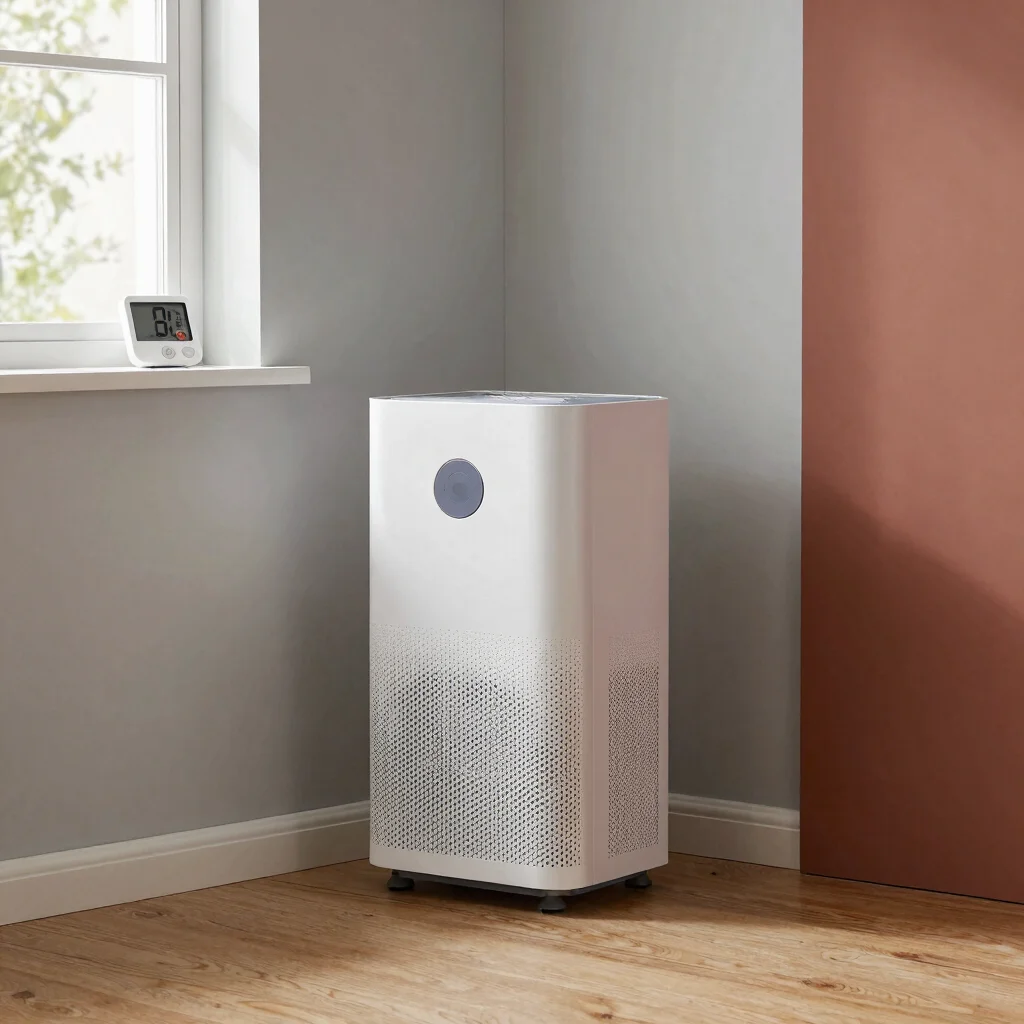
Meaco is a British dehumidifier specialist, and the Arete One range is one of its most popular. The 10L version is a compressor model rated at 6 litres a day at 27°C and 60% humidity (10 litres at 30°C and 80%), with a stated power use of 163W. That works out at about 4.3p an hour at full power. It has a 2.5-litre tank and starts at around 35dB on its quietest setting.
- Good for: one- or two-bedroom flats, bedrooms, drying a few loads a week
- Watch out for: like all compressor models, it slows down in cold, unheated rooms
MeacoDry Arete One 20L: for bigger homes and lots of washing
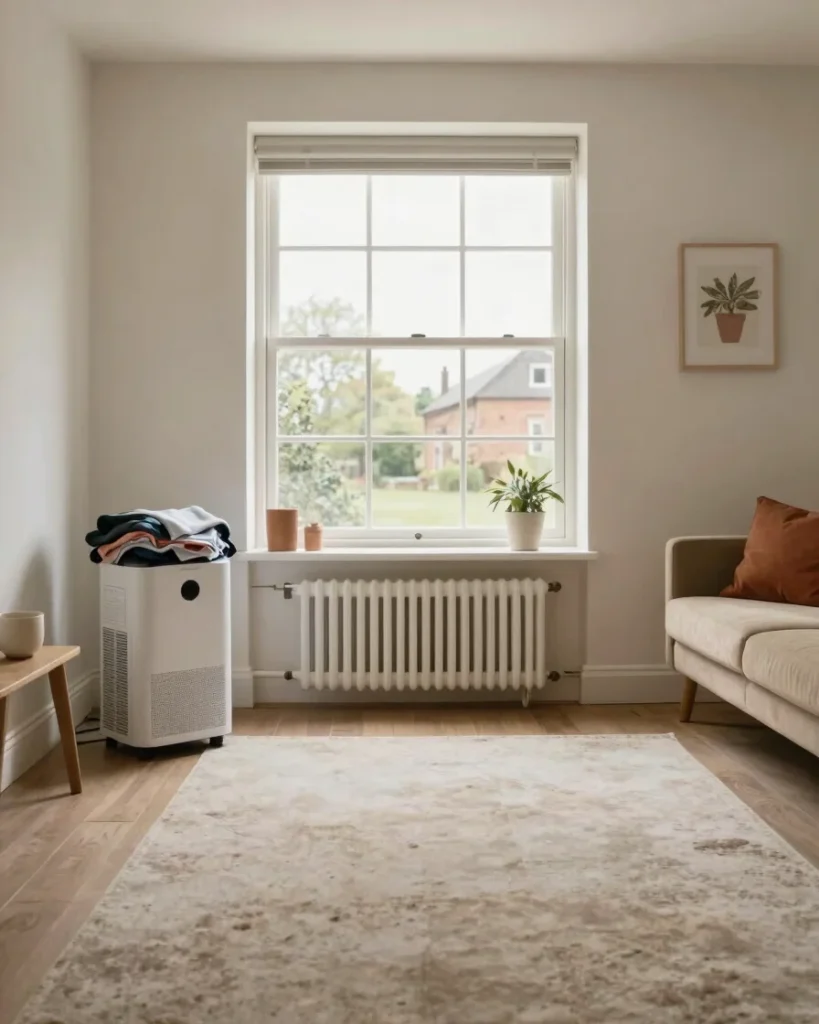
The larger Arete One is rated at 20 litres a day, uses 216W according to retailer specifications (about 5.7p an hour at full power), and has a bigger 4.8-litre tank. It includes a laundry mode and a HEPA filter, so it also cleans the air a little as it runs. It is heavier at around 15kg, but it has wheels.
- Good for: family homes, persistent condensation, drying washing most days
- Watch out for: it is bulkier, so measure the space where it will live
Meaco DD8L Zambezi: for cold rooms
If the damp room is cold, such as a garage, conservatory, utility room or a bedroom you rarely heat, a desiccant dehumidifier is the better tool. The DD8L Zambezi is rated at 8 litres a day at 20°C and 60% humidity on its middle fan speed, and Meaco lists its power use as 351W (about 9.2p an hour). It has a 3-litre tank, weighs 7.8kg and is suggested for rooms up to 42m².
- Good for: cold or unheated spaces, and adding a little gentle warmth while it dries
- Watch out for: higher running costs than a compressor model in a warm room
How much will it cost to run?
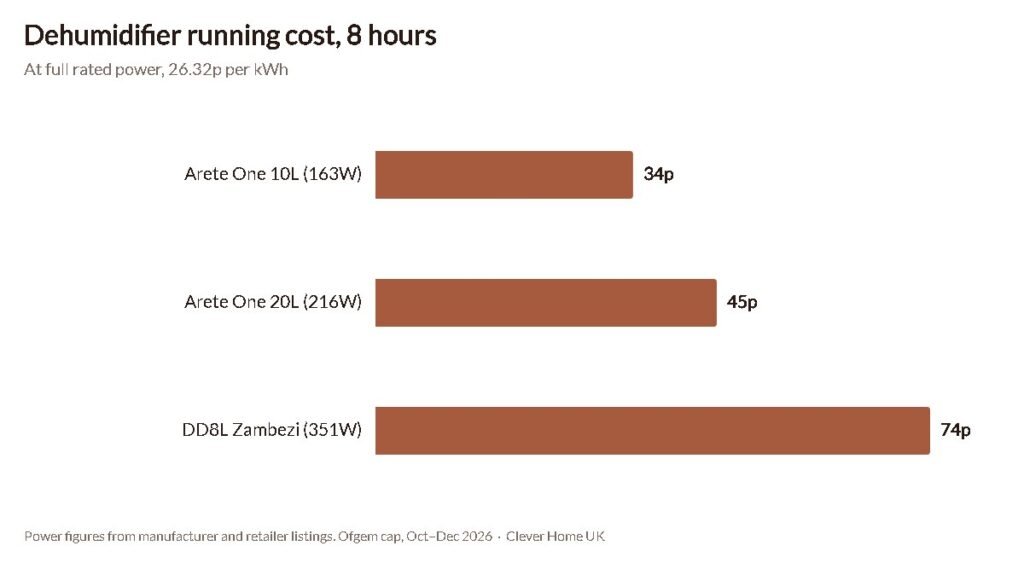
Running costs are lower than most people expect. At 26.32p per kWh, a 163W compressor model running flat out for 8 hours costs about 34p. A 351W desiccant model for the same 8 hours costs about 74p. With a humidistat set to 50 to 55%, the machine will spend part of that time idling, so the real figure is usually lower.
Tips to get the most from a dehumidifier
- Close the door and windows of the room you are drying, so it is not trying to dry the whole street.
- Put it in the middle of the room, not pushed against a wall or behind furniture.
- When drying washing, leave space between items and place the dehumidifier close to the airer.
- Clean the air filter every few weeks so airflow does not drop.
- Aim for indoor humidity of roughly 40 to 60%. Going much lower wastes electricity.
The bottom line
For most UK flats and homes that are heated during the day, a compressor model such as the Arete One 10L or 20L is the most economical choice. If the problem room is cold, choose a desiccant model like the DD8L Zambezi. Whichever you pick, check its laundry mode, tank size and noise level against how you will actually use it.