
As an Amazon Associate I earn from qualifying purchases. This guide is based on manufacturer specifications and published information, not hands-on testing. Running costs use the Ofgem price cap average electricity rate of 26.32p per kWh (1 October to 31 December 2026, Direct Debit).
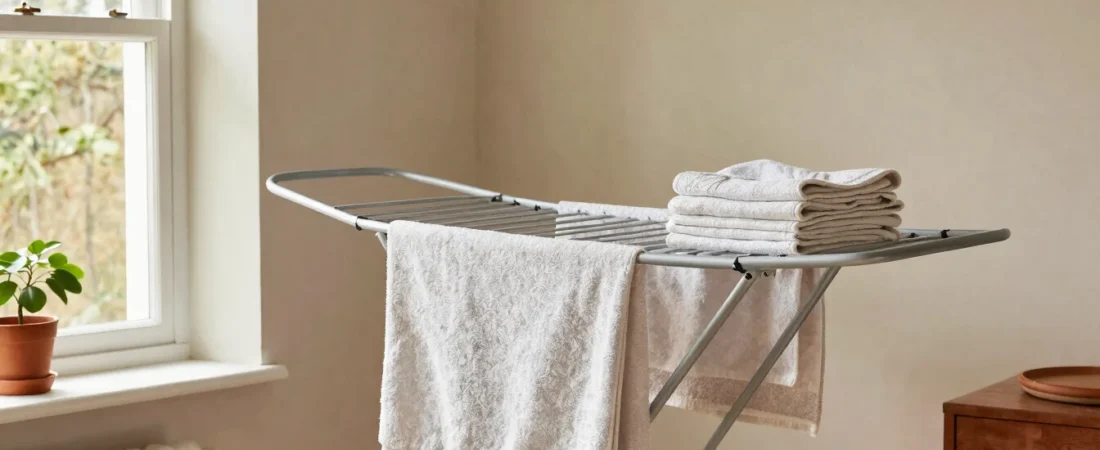
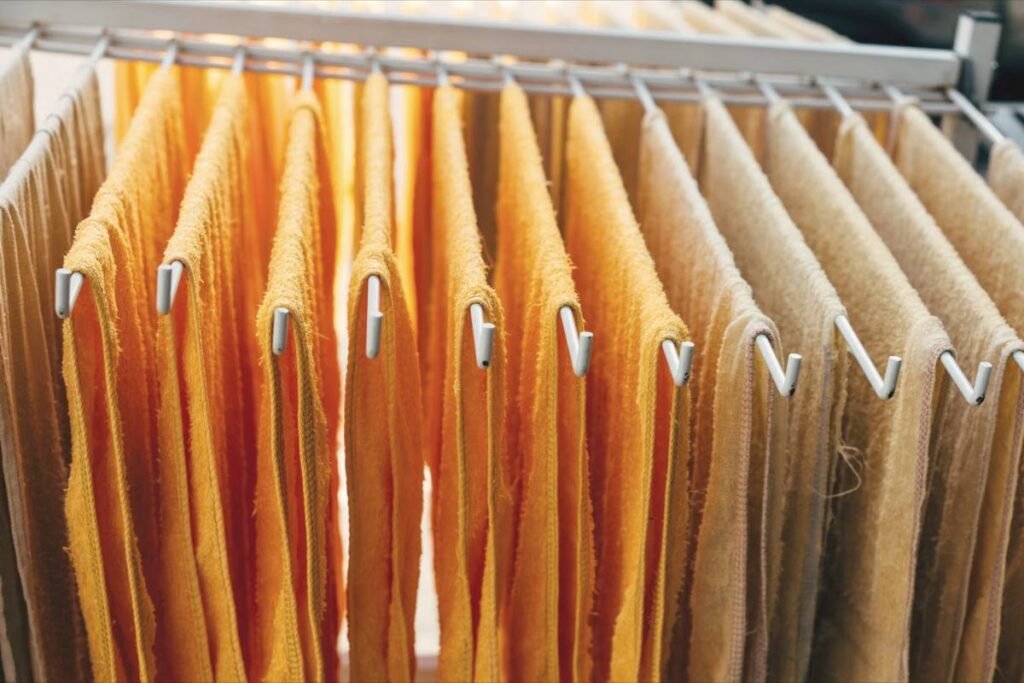
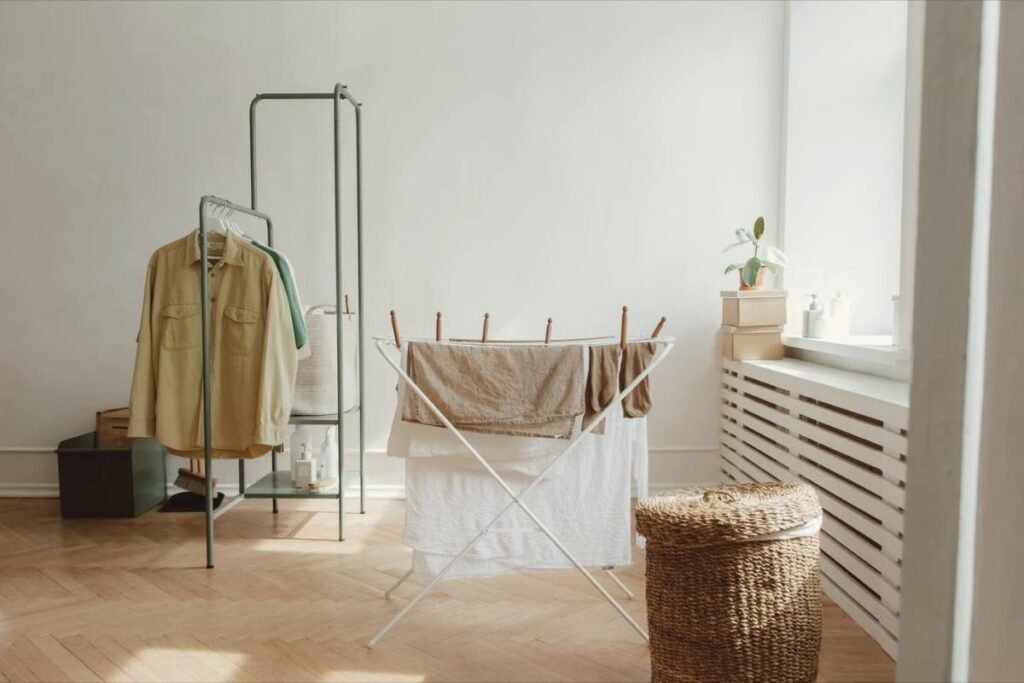
When it is too wet to dry washing outside, a heated airer is one of the cheapest ways to get clothes dry indoors. Instead of heating the whole room, it gently warms the rails your washing hangs on. This guide covers what to look for, what they cost to run, and four popular models that suit different homes.
Quick picks
| Model | Style | Max load | Power | Cost per hour |
|---|---|---|---|---|
| Minky SureDri 4-Tier with Timer & Cover | 4 tiers | 20kg | 300W | 7.9p |
| Dry:Soon Deluxe 3-Tier | 3 tiers | 15kg | 300W | 7.9p |
| Dry:Soon Mini 3-Tier | 3 tiers, compact | 15kg | 198W | 5.2p |
| Status Heated Winged Airer | Winged, flat | 15kg | 230W | 6.1p |
Specifications are taken from manufacturer and retailer listings. Costs assume the airer runs at its full rated power for one hour at 26.32p per kWh.
What to look for
Tiered or winged
Winged airers are flat and low, like a traditional drying rack, and are good for spreading out a small load. Tiered (tower) airers stack rails upwards, so they hold more washing in a smaller floor space, which suits flats.
Rail space and load
Manufacturers quote a maximum weight (often 15 to 20kg) and sometimes the total length of drying rail. More rail means items can hang without touching, so they dry faster and more evenly.
A cover
A cover traps the warm air around the washing, a bit like a mini drying cupboard. It can noticeably speed up drying. Some airers include one, others sell it separately.
A timer
A built-in timer switches the airer off automatically, so you are not paying to heat dry clothes overnight.
The models
Minky SureDri 4-Tier with Timer & Cover: the most capacity

This tower airer has four tiers, a 20kg maximum load and about 23m of drying space, according to retailer specifications. It uses 300W (about 7.9p an hour) and comes with both a cover and a timer, which many rivals charge extra for.
- Good for: families and anyone drying full loads regularly
- Watch out for: it takes up more height than a winged airer
Dry:Soon Deluxe 3-Tier: a popular all-rounder

Dry:Soon airers from Lakeland are among the best-known heated airers in the UK. The Deluxe 3-Tier is listed at 300W with a 15kg load, about 21m of rail and a timer. The fitted cover is sold separately.
- Good for: regular household loads in a compact footprint
- Watch out for: budget for the cover if you want faster drying
Dry:Soon Mini 3-Tier: for small spaces
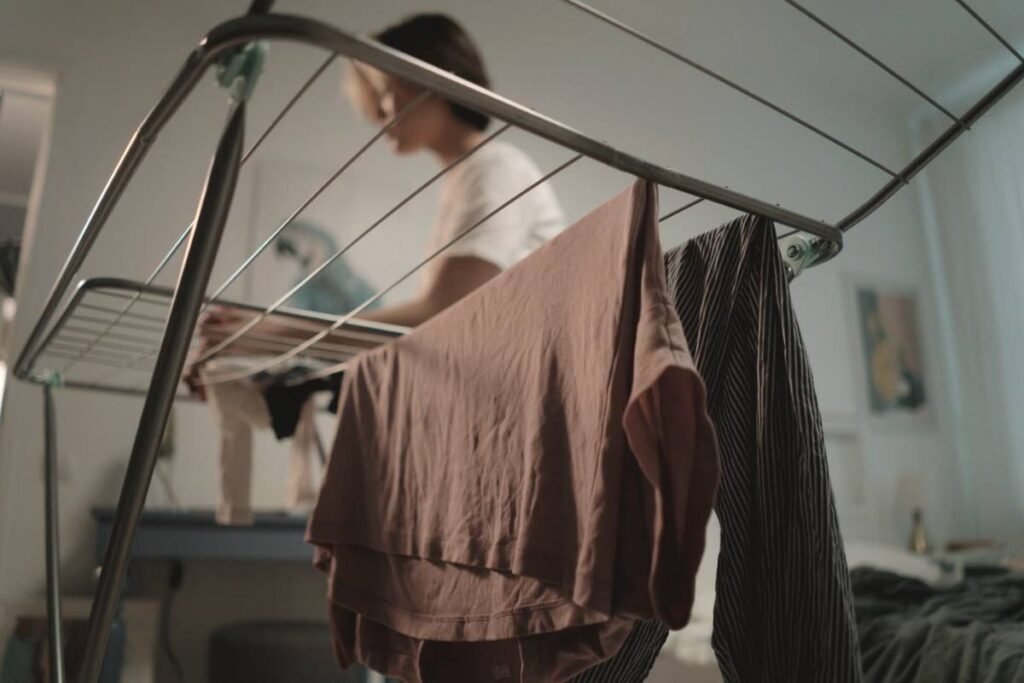
The Mini is listed at 198W, the lowest power of the models here (about 5.2p an hour), with a 15kg load and around 13m of rail. That is less rail space, so it suits smaller loads or households of one or two.
- Good for: small flats, couples, lower running costs
- Watch out for: bulky items like bedding will not fit as easily
Status Heated Winged Airer: simple and flat
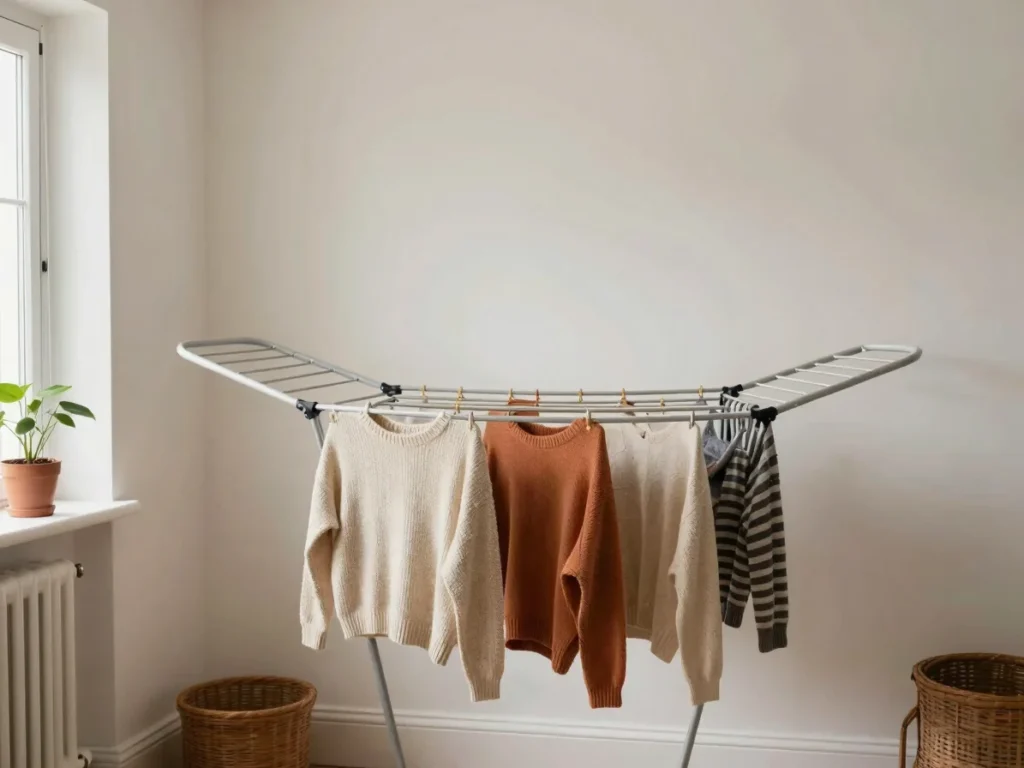
If you prefer a traditional winged design, the Status winged airer is listed on Amazon at 230W, with 20 heated rails and a 94cm wingspan. It has no timer, so use a plug-in timer socket if you want it to switch off automatically.
- Good for: spreading out shirts and delicates, storing flat behind a door
- Watch out for: no built-in timer
How much does it cost to dry a load?
A heated airer typically needs several hours to dry a load, depending on the fabric, how well it was spun and the room temperature. As a guide, at 26.32p per kWh:
| Airer power | 4 hours | 6 hours | 8 hours |
|---|---|---|---|
| 198W | 21p | 31p | 42p |
| 230W | 24p | 36p | 48p |
| 300W | 32p | 47p | 63p |
For a full comparison with tumble dryers, see our heated airer vs tumble dryer running-cost guide.
Tips for faster, cheaper drying
- Use the highest spin speed the care label allows. Less water going on the airer means shorter drying times.
- Don’t overload it. Air needs to move between items.
- Use the airer’s own cover if it has one, to hold in the warmth. Don’t improvise with blankets or sheets unless the manufacturer says it is safe.
- Run a dehumidifier in the same room to pull the moisture out of the air, which speeds drying and stops condensation.
- Turn thick items like jeans and towels halfway through.
The bottom line
For most households, a tiered airer with a cover gives the best mix of capacity and speed, and the Minky SureDri 4-Tier includes both. If you are short on space or want the lowest running cost, the Dry:Soon Mini is a good fit. Pairing any heated airer with a dehumidifier makes a real difference in damp winter weather.