
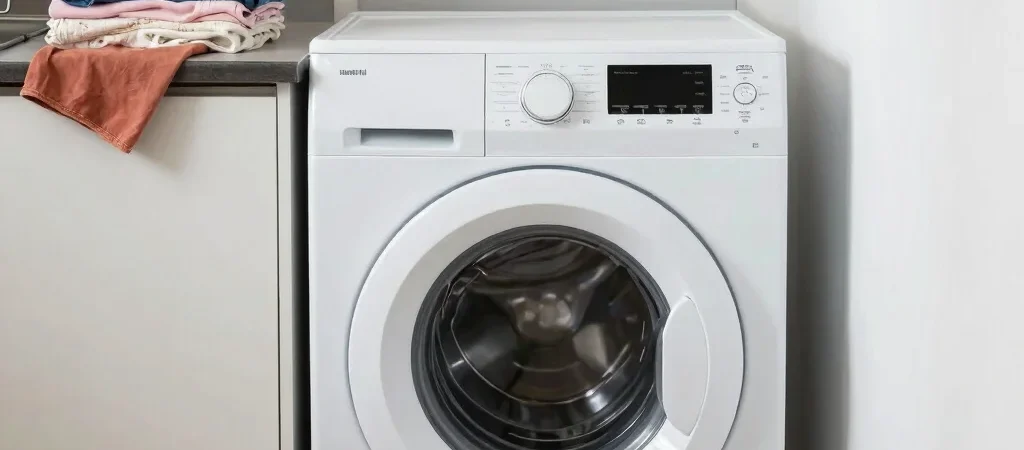
As an Amazon Associate I earn from qualifying purchases. A half-empty drum, a hot programme and a tumble dryer cycle can turn one small wash into a longer chain of energy use. A few decisions before pressing start can make laundry more efficient without asking you to compromise on clean clothes.
Load the drum appropriately
Use the load guidance in your washing machine manual rather than packing clothes in tightly or running every wash nearly empty. Overloading can stop items moving freely, while very small loads may use more resources per garment than a suitable full load. Separate items by fabric and care label so the programme fits what is actually in the drum.
Choose the right programme
An eco programme is designed to use less energy, often by washing for longer at a lower temperature, but timings and settings vary by machine. For everyday laundry, check the care labels and the machine’s guidance before defaulting to a hotter cycle. Use higher temperatures when they are needed for the fabric or hygiene instructions, rather than treating them as the automatic choice.
Think about drying as well
A higher spin can remove more water before clothes leave the machine, which may shorten drying time, but it is not right for every fabric. Check care labels, then hang laundry with space between items and ventilate the room to help moisture escape. If you use a heated airer or tumble dryer, include that energy use when comparing the cost of different laundry routines.
Make the settings work for you
Delay-start settings can help you run a wash at a time that suits your household or tariff, if your plan has different rates and you can safely manage the cycle. Keep the detergent dose in line with the product instructions and the load, rather than adding extra by habit. Try one change at a time and note which settings fit your clothes, schedule and machine.


