
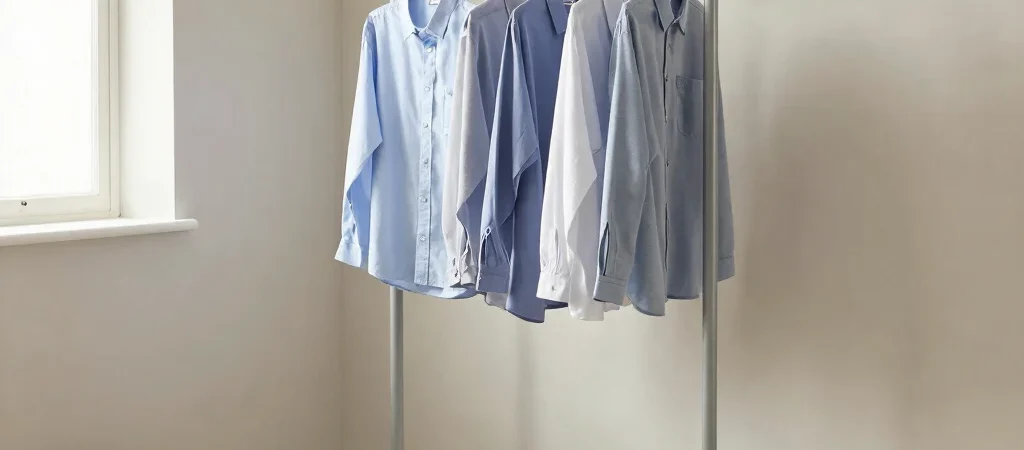
As an Amazon Associate I earn from qualifying purchases. When rain has ruled out the washing line and the radiators are already busy, a heated airer can look like a practical fix. The right choice depends less on a headline feature than on how much laundry you need to dry and where the airer will live.
Start with your laundry routine
Compare usable drying space, not just the number of rails: a bulky towel needs more room than a few shirts. Check the airer’s dimensions when open and folded, especially if it needs to fit beside a kitchen table or in a narrow utility room. A cover may help retain warm air around clothes, but it also needs somewhere to be stored.
Check the cost per session
To estimate electricity use, multiply the airer’s wattage by the hours it runs, then divide by 1,000 to get kilowatt-hours. Multiply that figure by your own electricity unit rate to estimate a session’s cost. This is a guide, not a promise: actual use depends on the model, load, drying time and tariff, so check the product instructions and your latest bill.
Weigh the useful trade-offs
A larger airer can take more laundry but may be awkward to move or store; a compact one takes less room but can mean more than one drying session. Look for a stable frame, clear wattage information and a timer if you want to control how long it runs. Research-based comparisons can help narrow down the options, but the best fit is the one that suits your load size and available space.
Dry clothes without trapping damp
Leave space between garments and ventilate the room, following the airer’s safety instructions. Avoid covering the appliance unless its manufacturer provides or approves a cover, and keep it away from items that must not be heated. Before buying, measure the spot where it will stand and work out a realistic session cost using your own tariff.